17 July 2026, AVECAL
The footwear industry is changing rapidly as digital technologies and sustainability reshape traditional production models. Callnak, a Spanish company specialising in 3D-printed footwear, is an example of how sector expertise and technological innovation can come together to create new products and business opportunities. In an interview conducted within the METASKILLS4TCLF project, the company shared its experience with additive manufacturing, on-demand production and the skills needed for the future of footwear.
Callnak was created by two lifelong friends with complementary professional backgrounds. One of the founders, Pablo Jaspers, had worked for eight years as a footwear designer and pattern maker, while Igna-cio Español specialised in 3D technologies. After discovering the possibilities of 3D-printed shoes, they spent two years researching and developing a functional and commercially viable product. The company was formally established one year ago and currently has three models in production, which are sold through its e-commerce platform.
Faster and more flexible production
By rethinking how footwear is designed, manufactured and brought to market, Callnak is demonstrating the potential of additive manufacturing to create a more agile and efficient production model. One of the main advantages of this tecnique is the significant reduction in product development times.
While a conventional fashion brand may need at least six months to move from the initial design to com-mercialisation, Callnak can complete this process in approximately one month. This allows the company to test new ideas, adapt designs and respond more quickly to market needs.
Its on-demand production model also avoids the need to manufacture large quantities in advance. Each pair is produced after the customer places an order, reducing excess stock, storage requirements and un-sold products.
Callnak also works with a mono-material approach, making its footwear easier to recycle and simplifying the recovery of materials at the end of the product’s useful life.
Local and sustainable manufacturing
The company’s commitment to sustainability also extends to its supply chain. Except for the printing ma-chinery, Callnak aims to source its boxes, filament and other materials from suppliers located within ap-proximately 30 kilometres of its facilities. By prioritising proximity, the company reduces transport dis-tances, supports local businesses and contributes to bringing industrial activity back to traditional foot-wear-producing regions.
According to Callnak, digital innovation can help strengthen local manufacturing rather than replace the knowledge and experience already present in the sector.
New skills for a changing industry
Identifying the skills required for the digital and green transition is one of the main objectives of METASKILLS4TCLF.
Callnak believes that the footwear industry increasingly needs professionals with knowledge of 3D design, digital modelling, additive manufacturing and new materials. These digital skills should complement tra-ditional expertise in footwear design, pattern making and production.
The company also highlights the importance of introducing young people to the sector through practical experiences. Opening factories, allowing students to see production processes and giving new profession-als real responsibilities can make footwear careers more attractive and encourage experimentation.
Balancing sustainability and profitability
Looking ahead, Callnak expects traditional and digital production models to coexist. However, the compa-ny believes that the industry must continue developing on-demand manufacturing, stock-free business models and more recyclable products.
At the same time, sustainable solutions must remain economically viable. The challenge is to find a bal-ance between environmental responsibility, technological innovation and profitability.
Callnak’s message to young designers, students and professionals is clear: footwear is a sector with enormous potential and many opportunities still to explore.
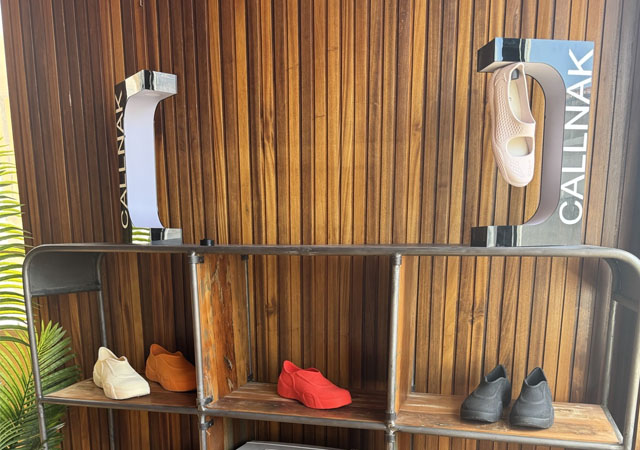
The company’s experience reflects the spirit of METASKILLS4TCLF: combining traditional knowledge, emerging technologies and new professional skills to support a more innovative, digital and sustainable TCLF industry.
Publication date: 2026-07-28